Carpet That Can Be Reused Professionally
Carpet Reinstallation in Pleasant Grove for flooring removed during remodeling, water damage drying, or construction projects
Carpet removed for water extraction, subfloor repairs, remodeling, or construction work does not always need replacement. Carpet repair 801 reinstalls existing carpet after it has been lifted, provided the material remains in reusable condition. You avoid the cost of new flooring when the carpet itself has not been damaged, only temporarily removed to address underlying issues or to accommodate other trades working in the space.
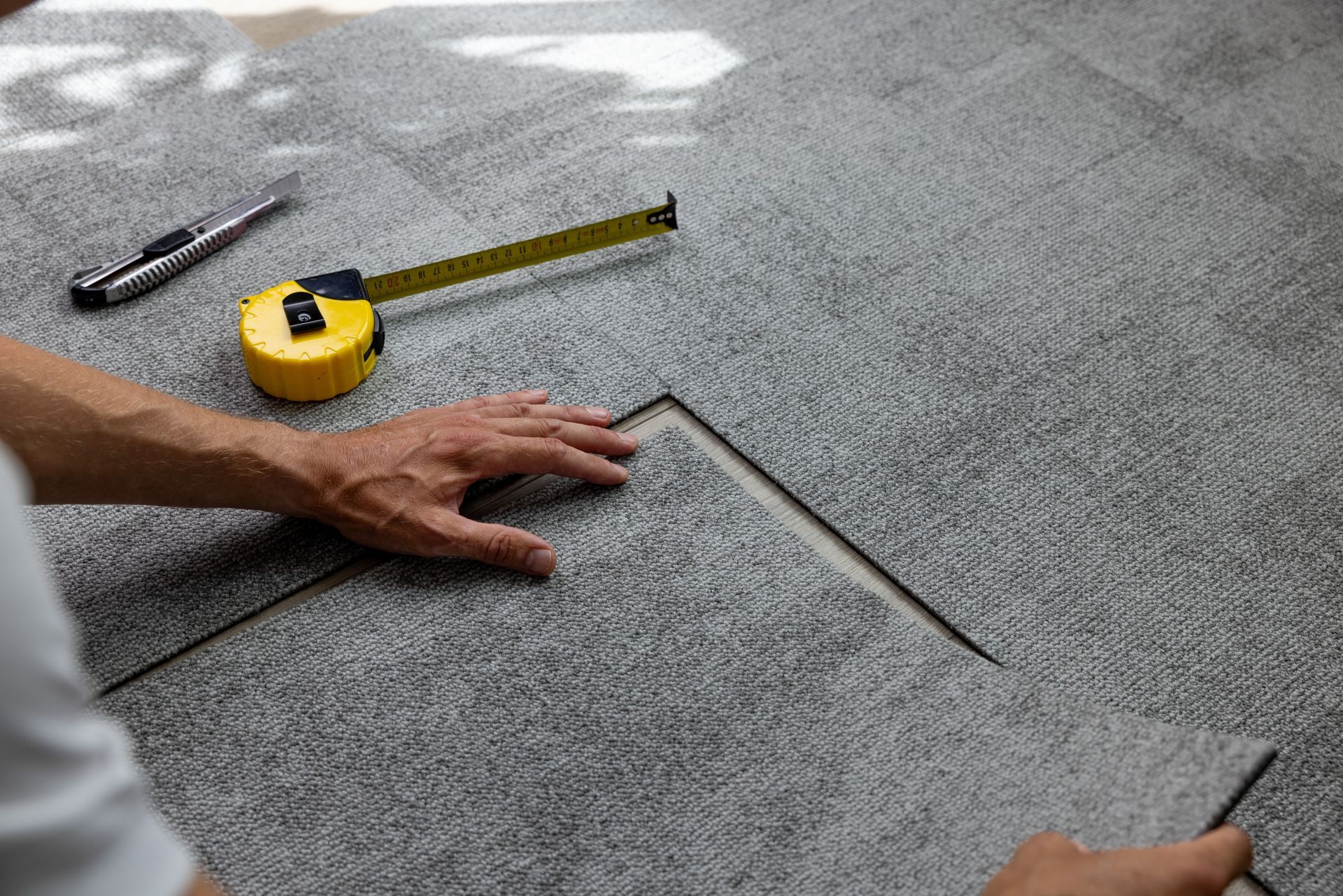
Reinstallation involves stretching the carpet back into position, trimming edges to fit the room's dimensions, and securing it to tack strips or adhesive depending on the installation method. Proper stretching eliminates wrinkles and ensures the carpet sits taut against the floor, preventing future buckling or movement that can occur when reinstallation is rushed or performed without the correct tools.
Arrange a consultation to confirm whether your removed carpet can be reinstalled or if replacement is necessary based on the condition of the material.
How Reinstallation Restores Existing Carpet
The process requires power stretchers and knee kickers to pull the carpet tight across the room, removing slack that leads to wrinkles and premature wear. Edges are trimmed to account for any changes in room dimensions or subfloor adjustments, and the carpet is then anchored securely to prevent shifting.
Once reinstallation is complete, you notice the carpet lies flat without wrinkles, the edges are secured along baseboards and transitions, and the flooring functions as it did before removal. The room is ready for furniture and regular use without visible signs that the carpet had been lifted.
Reinstallation applies to situations where carpet has been removed for water damage drying, subfloor repairs, plumbing or electrical work beneath the floor, or remodeling projects involving walls, paint, or cabinets. Not all carpet can be reinstalled—material that has degraded, torn during removal, or sustained water damage beyond cleaning may require replacement instead.
Common Questions About Reinstalling Carpet
Homeowners and property managers often need clarity about when carpet can be reused and what the reinstallation process involves before proceeding.
When can carpet be reinstalled instead of replaced?
Carpet that was removed carefully, remains structurally intact, has not suffered permanent staining or water damage, and was not glued directly to the subfloor can usually be reinstalled professionally.
What does proper stretching involve during reinstallation?
Power stretchers apply tension across the entire room to eliminate slack and wrinkles, while knee kickers fine-tune positioning along edges and corners, ensuring the carpet sits taut and does not shift after furniture is returned.
How does reinstallation work after water damage?
If carpet was removed for drying and the padding replaced, the carpet can be reinstalled once the subfloor has dried completely and any necessary subfloor repairs have been completed.
What happens if the carpet does not fit after reinstallation?
Carpet is trimmed during reinstallation to fit current room dimensions, accounting for any changes made to the subfloor, walls, or transitions during the project that required removal.
Why do property managers in Pleasant Grove choose reinstallation?
Reinstallation allows landlords and property managers to reuse functional carpet after addressing subfloor issues, plumbing repairs, or remodeling work, reducing turnover costs while maintaining flooring quality.
Carpet repair 801 works with homeowners, landlords, and property managers who need carpet reinstalled after removal for construction, repairs, or water damage mitigation. Discuss your specific situation to confirm whether reinstallation is viable or if replacement is the more appropriate option.